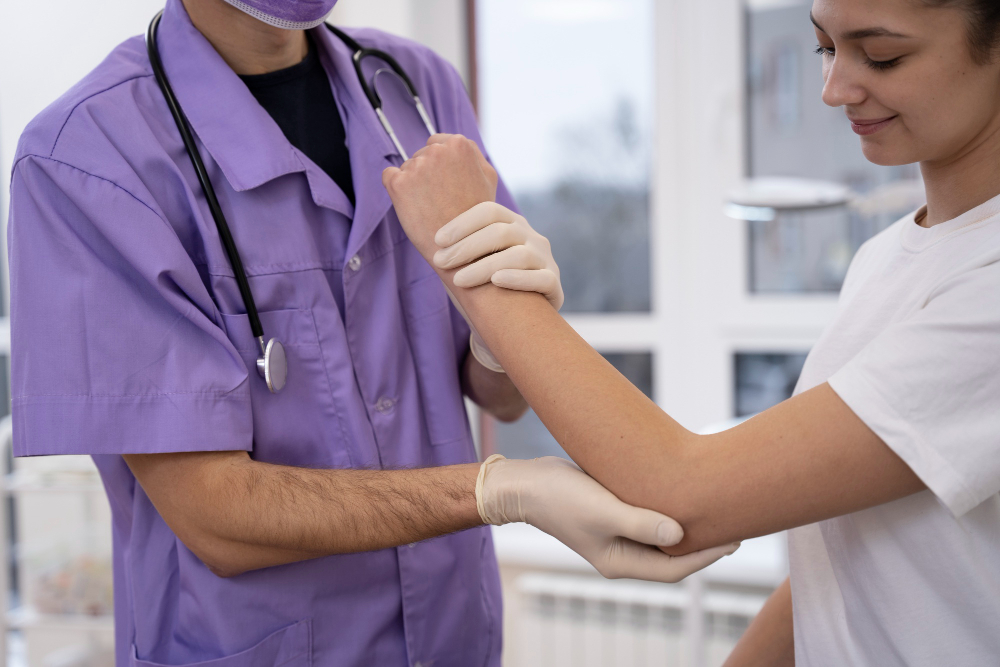
Upper limb angiography is a special imaging test. It helps doctors see blood vessels in your arms. This test is important for detecting vascular clots in the arms. Vascular clots, also called blood clots, can block blood flow. Early detection with upper limb angiography can prevent serious problems. In this blog, you will learn what this test is, why it is used, and what to expect during the process.
What Is Upper Limb Angiography?
Upper limb angiography is a type of X-ray test. It uses a dye to make the blood vessels in your arms visible. Doctors use this test to look for blockages or clots. The dye, called contrast, is injected into your bloodstream. Then, X-ray images show how blood flows through your arm arteries and veins. This test is often done in a hospital or radiology center.
Why Is It Used to Detect Vascular Clots in the Arms?
Doctors use upper limb angiography to find vascular clots in the arms. These clots can stop blood from reaching your hand or fingers. If not treated, clots may cause pain, swelling, or even tissue damage. Early detection helps doctors plan the right treatment. Sometimes, angiography also helps guide procedures to remove or break up the clot.
Symptoms and Signs That May Require Angiography
Some symptoms may suggest a blood clot in your arm. If you notice these signs, your doctor may suggest upper limb angiography:
However, not all symptoms mean you have a clot. Only a doctor can decide if angiography is needed.
How Is the Procedure Performed?
Upper limb angiography is a step-by-step process. Here is what usually happens:
The whole test usually takes 30 to 60 minutes. Most people go home the same day.
Risks and Safety Considerations
Upper limb angiography is generally safe. But, like any test, there are some risks. These may include:
However, doctors follow strict safety rules. They check your health before the test. According to the CDC, serious problems are rare.
What to Expect Before, During, and After the Test
Knowing what to expect can help you feel calm. Here is a simple guide:
Before the Test
During the Test
After the Test
Prevention and Lifestyle Guidance for Vascular Health
While some clots cannot be prevented, healthy habits can lower your risk. Consider these tips:
In addition, regular check-ups can help catch problems early.
Frequently Asked Questions
In summary, upper limb angiography is a safe and useful test. It helps doctors detect vascular clots in the arms early. If you have symptoms or concerns, do not wait. Consult Dr. Debraj Saha, a radiology specialist at Sonoscan Healthcare Private Limited, for personalized advice on vascular health and diagnostic options.