Introduction
Many people, including athletes and those with desk jobs, face shoulder pain or muscle problems. MRI Shoulder & MSK Ultrasound – Early Detection for Athletes & Desk Jobs is a key topic today. MRI Shoulder and MSK (Musculoskeletal) Ultrasound are safe scans. They help doctors find injuries or problems early. Early detection means faster treatment and better recovery. Whether you play sports or work at a desk in New York, these tests can help keep you healthy and active.
What are MRI Shoulder and MSK Ultrasound?
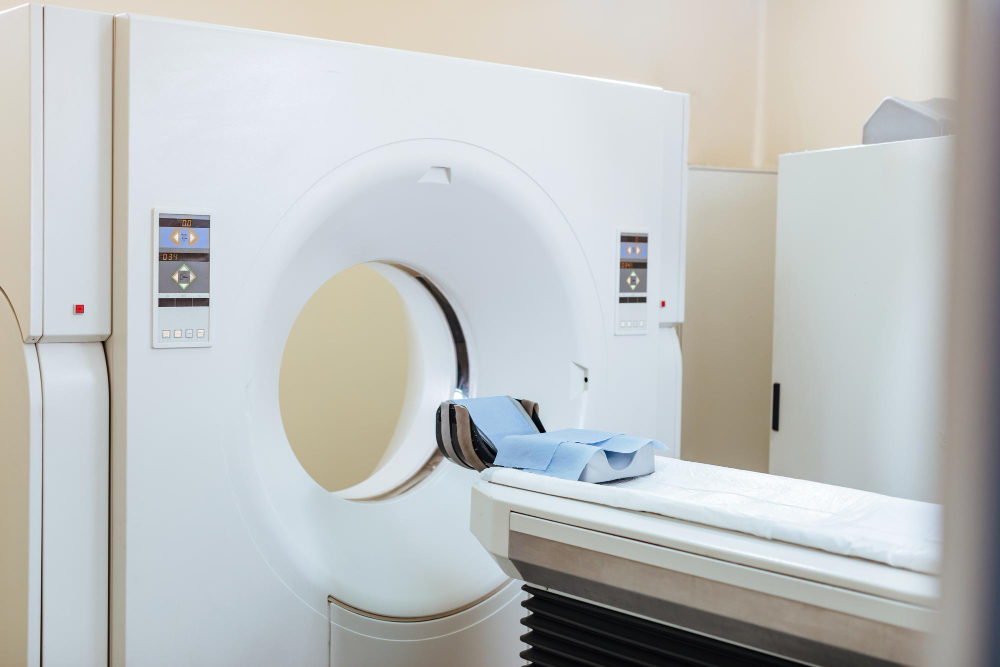
MRI Shoulder is a scan that uses magnets and radio waves. It creates clear pictures of your shoulder’s bones, muscles, and tendons. MSK Ultrasound uses sound waves to show images of muscles, joints, and soft tissues. Both tests are painless and do not use harmful radiation. Doctors use them to spot injuries, swelling, or tears in the shoulder and nearby areas.
Why Early Detection Matters for Athletes and Desk Workers
Early detection is important for everyone. For athletes, it helps find sports injuries before they get worse. For desk workers, it can catch problems from sitting too long or using a computer. If you find issues early, you can start treatment sooner. This means less pain, fewer missed days, and a faster return to normal life. In busy cities like Chicago or Los Angeles, early care can make a big difference.
Common Symptoms and Warning Signs
It is wise to watch for warning signs. Some common symptoms include:
If you notice these symptoms, talk to your doctor. Early action can prevent bigger problems later.
How MRI Shoulder and MSK Ultrasound Work
Both tests are simple and safe. An MRI Shoulder scan uses a large magnet and radio waves. You lie still while the machine takes pictures. The scan usually takes 20 to 40 minutes. MSK Ultrasound uses a small device called a probe. The doctor moves it over your skin. It sends sound waves into your body and shows images on a screen. This test often takes less than 30 minutes. Neither test hurts, and you can go home right after.
Diagnosis: What to Expect During the Procedures
Before the MRI Shoulder scan, you may need to remove metal objects. You will lie on a table that slides into the scanner. The machine makes loud noises, but you can wear earplugs. For MSK Ultrasound, you may sit or lie down. The doctor puts a cool gel on your skin. Then, the probe moves over the area. You can see the images in real time. Both tests are quick, and you can return to your daily routine soon after.
Treatment Options Following Early Detection
Once doctors find a problem early, they can offer many treatments. These may include:
With early care, most people recover faster and avoid serious injury.
Prevention Tips and Lifestyle Guidance for Athletes and Desk Job Workers
Staying healthy is easier with good habits. Here are some tips:
These steps can help prevent injuries and keep you moving well.
Frequently Asked Questions
Consult a radiology specialist at Sonoscan Healthcare Private Limited for personalized advice on early detection and prevention.